Calm Hands and Clear Signals: A Deafblind Patient’s Route Through Leeds Dentistry
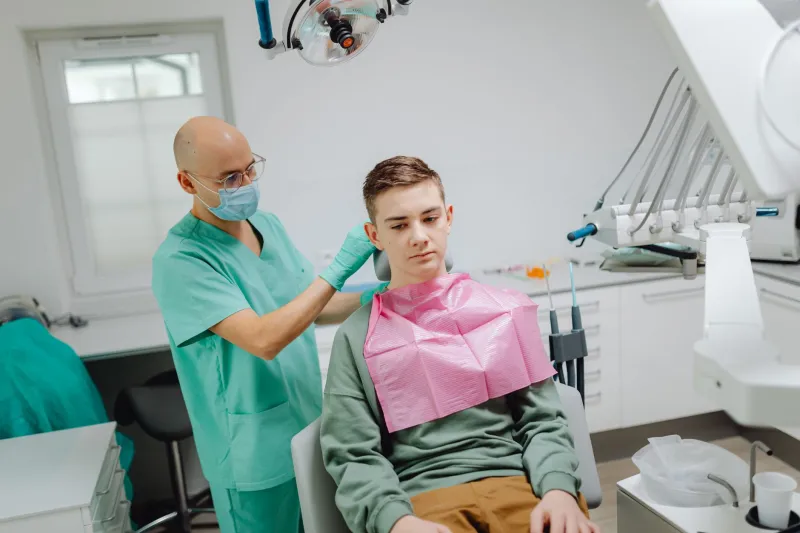
A dental check-up is rarely anyone’s favourite appointment. For a patient who is deafblind, however, the surgery can present a particular concentration of barriers: bright light, unfamiliar hands, equipment noise, the taste of materials and the expectation to respond quickly. None of these is insurmountable. What matters is whether the practice has thought about them before the patient sits in the chair.
The problem is cumulative, not dramatic
Access failures in dentistry rarely announce themselves with a single dramatic moment. They build up. The patient cannot hear their name called in the waiting room. The reception desk asks them to complete a form they cannot read. A member of staff approaches from behind and touches their shoulder without warning. The dentist says ‘open wide’ while the patient is reclined, masked and unable to lip-read. By the time treatment begins, the patient may already be anxious, disoriented or deciding not to return.
That pattern is familiar to many deafblind people in Leeds. It is also avoidable. Dental practices do not need to become specialist centres overnight. They need to design a route through the appointment that is predictable, tactile where appropriate and agreed in advance.
Before the appointment: booking that anticipates need
The first barrier often appears at the telephone. A deafblind patient may not be able to hear a receptionist, may not be able to read a screen or may rely on a companion to make the call. Practices should offer a clear alternative: email, text message, an online form with simple language, or a booked call with a named contact. It is not enough to publish a phone number and assume everyone can use it.
Appointment reminders should be available in accessible formats. Large print, plain text email and simple SMS messages are low-cost options. For some patients, a short video with British Sign Language and captions may help; for others, a written note with the date, time and practitioner’s name is sufficient. The key is to ask, record the answer and use it consistently.
Practices should also make it easy for a patient to bring an escort, communication supporter or interpreter. That means booking an appointment slot with enough time, offering a quiet place to wait and making sure the escort is not treated as an inconvenience. A deafblind patient may need someone to relay information, guide them through the building or confirm aftercare instructions. This should be planned for, not negotiated at the door.
The waiting room and the walk to the chair
Waiting rooms are often busy, bright and full of sound. A deafblind patient may not see staff approaching or hear their name called. A simple system helps: staff should greet the patient by name, identify themselves and say when they are leaving and returning. They should avoid sudden touch. If guiding is required, they should offer an arm rather than take the patient’s hand, and ask before doing so.
A quiet space, even a corner away from the main thoroughfare, can reduce anxiety. So can a short explanation of what will happen next. Predictability is not a luxury in this setting; it is the foundation of consent.
In the chair: consent, sequence and a stop signal
Before any instrument is picked up, the dental team should agree a stop signal with the patient. This might be a raised hand, a squeeze of a finger, a tap on the chair or a spoken word if the patient can use it. The signal must be understood by everyone in the room, including the dentist, nurse and escort. It should be tested before treatment starts.
Communication in the chair needs to be deliberate. A patient who is reclined, wearing a bib and possibly unable to see hands or lips cannot rely on casual gestures. The dentist should explain each step before it happens: the mirror, the probe, the suction, the rinse. They should tell the patient before touching their face or moving the chair. Where a patient uses tactile sign language or hand-over-hand communication, the team should allow time for it and not rush.
Masks are a particular obstacle for deafblind patients who rely on lip-reading or facial expression. Written notes may help some, but not all. A text-to-speech app, a whiteboard or a simple agreed vocabulary of hand signals can bridge the gap. The patient’s preferred method should be recorded in their notes and used at every visit.
One deafblind Leeds resident described the difference this makes: ‘I can cope with the drill. What I cannot cope with is not knowing who has just walked into the room.’ That comment captures the essential point. Dental care is sensory care. The team’s job is to make the sensory experience understandable.
After the appointment: instructions people can actually use
Aftercare is where good intentions often fade. A patient may leave with a leaflet they cannot read, a verbal instruction they could not hear and a follow-up number they cannot use. Practices should provide aftercare information in the patient’s preferred format: large print, email, easy-read text or a recorded message. They should check understanding before the patient leaves, not after.
Follow-up appointments should be booked in a way that works. If the patient needs an escort, the practice should allow for that. If they need a quiet slot, it should be offered. If they need a reminder by text rather than a phone call, that should be the default.
A practice checklist for Leeds dental teams
- Ask every patient about communication needs at registration and review the answer at each visit.
- Offer booking and reminders by email, text and online form as well as telephone.
- Allow extra time and encourage escorts, supporters or interpreters.
- Greet patients by name, identify yourself and explain when you leave and return.
- Agree a stop signal before treatment and make sure everyone in the room knows it.
- Explain each step before it happens and warn before touching the patient’s face.
- Record the patient’s preferred communication method in their notes.
- Provide aftercare instructions in accessible formats and check understanding.
- Keep a quiet waiting option and avoid relying on spoken name calls.
- Review the practice’s accessibility information and make it easy to find.
Small changes, real difference
None of these measures requires a major refurbishment. They require attention, consistency and a willingness to ask. Leeds dental practices that get this right will not only serve deafblind patients better; they will make appointments calmer for anyone who finds the surgery overwhelming. For a patient who cannot see the room or hear the reassurance, a clear signal and a explained sequence can be the difference between dread and dignity.