The Tactile Ballot in Practice: Confirming Deafblind Access at Leeds Polling Stations
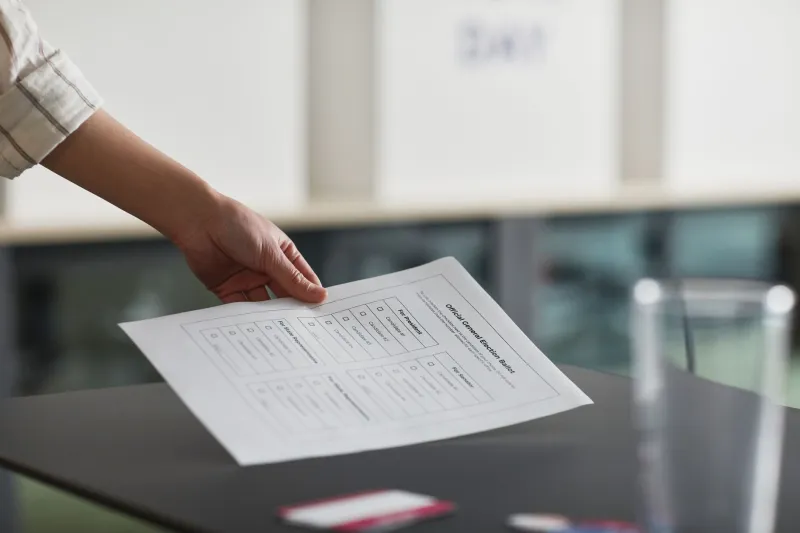
Polling day is often described as a simple civic act: attend, collect a ballot paper, mark a cross and leave. For deafblind voters, each of those steps can depend on whether the right adjustments are in place. A tactile voting template, a staff member who understands how to guide without taking over, and a polling station that has been checked for step-free access and good lighting are not extras. They are the practical conditions that make a secret ballot possible.
In Leeds, elections are run by Leeds City Council’s electoral services team. The council is responsible for designating polling stations, publishing notices and supporting electors who need assistance. National guidance is clear that disabled electors should be able to vote independently and in secret wherever possible. For deafblind people, that means planning ahead and asking specific questions rather than assuming that a venue labelled accessible will meet dual sensory needs.
What deafblind voters can reasonably expect
A tactile voting template is the central adjustment. It is a device that fits over the ballot paper and has numbered windows or cut-outs corresponding to each candidate. Used alongside a large-print or tactile list of candidates, it allows an elector to locate the correct box by touch. Polling station staff should be able to provide one on request and explain how it aligns with the ballot paper. The template should not be treated as an unusual request; it is a standard accessibility aid.
Deafblind voters may also bring a supporter or companion to help them vote. The companion must be aged 18 or over and must not be a candidate or agent. They can assist with marking the ballot paper, but they must not influence the voter’s choice. Alternatively, the presiding officer can provide assistance. No one should be asked to disclose their disability in detail in a public area, and assistance should be offered discreetly.
A well-prepared polling station should also have clear signage, adequate lighting, a step-free route from the pavement to the voting booth, and staff who can communicate in a way that works for the elector. That might mean writing information down, using clear speech, or allowing extra time. A hearing loop may be useful for some voters, but it is not a substitute for tactile or written communication.
Confirming access before polling day
Deafblind electors in Leeds should not wait until they arrive at the polling station to check whether a tactile template will be available. Electoral services can be contacted in advance to ask about the specific venue, the availability of the template, and the accessibility of the route into the building. It is helpful to ask precise questions: Is the polling station step-free from the street? Is there a temporary ramp, and who will deploy it? Is the lighting adequate in the voting booth? Will staff be briefed on tactile voting templates and companion support?
A short email or letter can create a useful record. Leeds Deafblind Hub recommends keeping the response and taking it to the polling station if possible. For voters who use a communication card, it is worth preparing one that states: “I am deafblind. I would like the tactile voting template and a quiet space to use it. Please write down any instructions.” This reduces the need to explain the same information repeatedly in a busy hall.
It is also sensible to ask whether the polling station has a designated quiet area or a side room. Polling stations are often community halls, churches or schools, and noise levels can vary. A quieter corner can make it easier to use a tactile template and communicate with a supporter. If the venue cannot offer this, the elector may wish to consider a postal or proxy arrangement instead.
On the day: a calm sequence
On arrival, the elector should be able to ask for the presiding officer by name or role. The presiding officer is responsible for the conduct of the polling station and can authorise assistance. The voter should confirm that they want the tactile voting template and, if needed, a companion. Staff should then guide the voter to a suitable booth without drawing unnecessary attention.
The template should be positioned over the ballot paper so that the windows align with the candidate boxes. The voter can then use the candidate list to identify the relevant window by touch or by asking the companion to read it aloud. The mark should be made in the correct window. If the voter has a preferred method, such as using a tactile marker or a guide, this should be discussed discreetly with the presiding officer. Staff should not look at the completed ballot paper or comment on the vote.
If something is missing, the elector should ask for the presiding officer rather than a temporary clerk. Presiding officers can make decisions about reasonable adjustments and can record issues. If the tactile template is unavailable, the elector may still be able to vote with assistance, but the absence should be reported to electoral services afterwards.
Postal and proxy voting
For some deafblind voters, voting by post is the more manageable route. Postal vote applications must be made by the published deadline, which is usually around eleven working days before the poll. Electors who need correspondence in an accessible format, such as large print or braille, should request this from electoral services as early as possible. It is important to check the current deadline for the 2026 elections rather than relying on memory.
Proxy voting allows a trusted person to vote on the elector’s behalf. The application deadline is usually around six working days before the poll. A proxy can be a family member, friend or support worker, provided they are eligible and not disqualified. In certain medical emergencies, an emergency proxy application can be made closer to polling day. Again, the exact rules and dates should be confirmed with Leeds City Council’s electoral services team.
A checklist for Leeds deafblind voters
Before polling day, confirm the location of your polling station and the step-free route. Ask whether a tactile voting template will be available and whether staff have been briefed. Prepare a communication card and, if needed, arrange for a companion to attend. Check whether a quiet space can be made available. Keep a record of any correspondence with electoral services.
On the day, ask for the presiding officer, request the template and assistance discreetly, and take the time you need. If access falls short, report it afterwards so that the council can improve arrangements for future elections. Voting is a right, and for deafblind people in Leeds it should be a practical, private and dignified experience.