Ready for the Worst Moment: Emergency Contact Routes for Deafblind People in Leeds
Emergencies rarely arrive with warning. For deafblind residents in Leeds, the ability to summon help can depend less on courage than on preparation: knowing which emergency route fits your communication, having it set up before a crisis, and understanding what will happen when Yorkshire's emergency services answer. This guide is general information rather than individual advice, but it is intended to remove some of the guesswork that can cost precious time.
Know the routes before you need them
There are three main national routes for contacting emergency services without relying on a standard voice call: Emergency SMS, 999 BSL and Relay UK. Each suits different communication needs, and many deafblind people use more than one. Some people have useful speech and hearing aids; others use British Sign Language, tactile signing, fingerspelling, textphones or a mixture of methods. The right choice is the one that works reliably for you, not the one that sounds most familiar to someone else.
Whatever route you choose, the central principle is the same: register, test and practise before an emergency. A route that has never been used is a route that may fail under pressure.
Emergency SMS: registration is the vital step
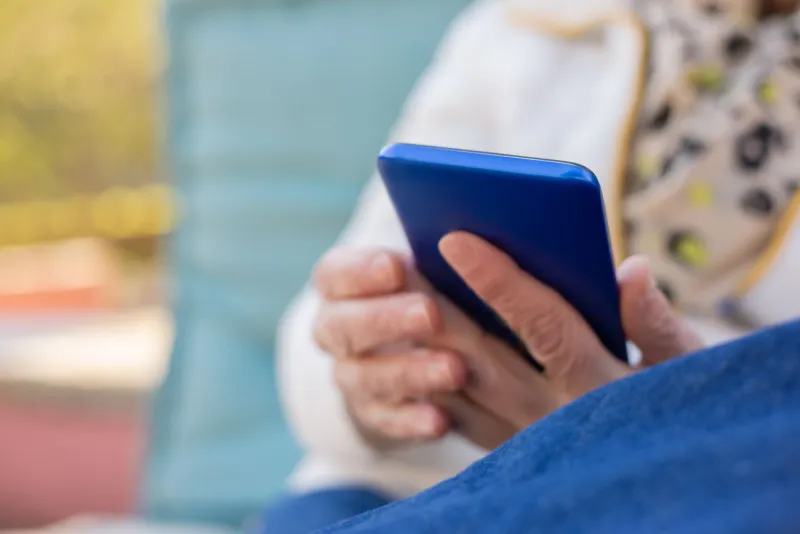
Emergency SMS allows people who cannot make a voice call to text 999. It is not automatic. You must register the phone number you intend to use by texting 'register' to 999. You should receive a confirmation message. Registration is linked to that number and that handset arrangement, so if you change your phone, SIM or number, register again and keep the confirmation somewhere accessible.
In an emergency, send a short text to 999 that states which service you need, your address including postcode, what has happened, a callback number and any access needs. A clear message might read: 'Ambulance. 12 Example Street, Leeds, LS1 1AA. Person collapsed, breathing but unconscious. I am deafblind. Please text replies. Callback 07...' Avoid abbreviations that could obscure the address or the nature of the incident. Expect an automated reply asking for further information, and respond promptly. Do not assume your message has been received until you have confirmation; if no reply arrives, try another route.
Common barriers include an unregistered phone, poor signal, a flat battery, an older handset that does not handle the service well, and simple uncertainty about whether registration is still active. Keep the confirmation in large print, braille or an accessible note, and consider asking a trusted contact to remind you to check it periodically.
999 BSL: video relay for BSL users
999 BSL is a free video relay service for Deaf people who use British Sign Language. It connects users to emergency operators through an interpreter, and it operates around the clock. Access is through the 999 BSL website or app. Once connected, you sign with the interpreter, who relays the conversation to the emergency operator and signs the operator's questions back to you.
Have your address, postcode and the nature of the emergency ready before you connect. Keep the camera steady, ensure your face and hands are well lit, and sign clearly. The interpreter is there to relay, not to give medical or legal advice. 999 BSL is not a general interpreting service, and it may not suit every deafblind person: tactile BSL users, for example, may need a different arrangement worked out in advance with a support worker or trusted contact. If BSL is not your preferred route, use Emergency SMS or Relay UK instead.
Relay UK and textphone access
Relay UK allows people using a textphone or the Relay UK app to communicate with hearing people through a relay assistant. For emergency calls, the number is 18000. The assistant relays between the text user and the emergency operator. This can be slower than other routes, so have your details prepared and keep them concise. As with any route, check that your equipment is set up and charged before you need it.
What to expect from West Yorkshire services
When a 999 contact is made by any route, it is handled by national emergency operators who pass the details to the relevant local service: West Yorkshire Police, West Yorkshire Fire and Rescue Service or Yorkshire Ambulance Service. The handler will typically ask for your location, the service required, what has happened, whether anyone is in immediate danger, and a callback number. They may also ask about access needs.
It helps to say clearly that you are deafblind and to state your preferred communication method. If you are using Emergency SMS, replies should come by text. If you are using 999 BSL, the interpreter will relay. Stay available and do not hang up or stop replying until you are told it is safe to do so. If someone else is present, they can make the call, but you should still know how to use the routes yourself.
Build a household emergency plan
Keep your phone charged and have a power bank available. Store an emergency information note with your address, postcode, communication preferences, medication and trusted contacts. Keep it in a format you can access quickly, whether that is large print, braille, audio or a note on your phone. Practise sending an Emergency SMS before you need it, and make sure anyone you live with or see regularly knows which route you use.
It is also worth reviewing the plan every few months. Check that your registration is still active, that your app is updated and that your backup battery holds charge. Preparation is not anxiety; it is a practical expression of independence.
Where local awareness still falls short
Public information in Leeds too often assumes that everyone can pick up a phone and speak. Councils, NHS services, housing associations, transport providers and local charities should consistently publish all three routes and explain which is appropriate for whom. Information should be available in accessible formats, including large print, braille, easy read, audio and BSL video with subtitles. Frontline staff should know that Emergency SMS requires registration and that 999 BSL is not a general interpreting service.
A deafblind person should not have to explain the emergency system while in distress. Clearer local awareness, better staff training and accessible publicity would mean that more residents arrive at a crisis already knowing what to do. Until then, the best protection is personal preparation: register, practise and keep your emergency plan within reach.